

You open your group benefits renewal letter expecting a modest increase. Instead, you’re looking at a 30, 40, or even 50% rate spike with a one-paragraph explanation buried in the fine print.
For many Canadian business owners, this is no longer a hypothetical. It’s happening right now, and most aren’t prepared for it.
The culprits are increasingly the same: GLP-1 weight-loss medications and high-cost specialty drugs for rare conditions. These drugs are transforming the Canadian benefits landscape, and mid-sized employers are bearing the brunt of it.
This article breaks down why it’s happening, who is most at risk, and what you can do to protect your group benefits plan before your next renewal lands on your desk.
Why Your Benefits Renewal Just Got a Lot More Expensive
For decades, Canadian group benefits plans operated on relatively predictable renewal cycles. Drug costs increased modestly year over year, and most employers could budget for it. That era is ending.
A new class of high-cost medications is entering the workforce at scale, and insurers are adjusting premiums to match. Understanding which drug categories are driving this shift is the first step to protecting your business.
The GLP-1 Effect: Weight-Loss Drugs and the Cost Employers Aren’t Expecting
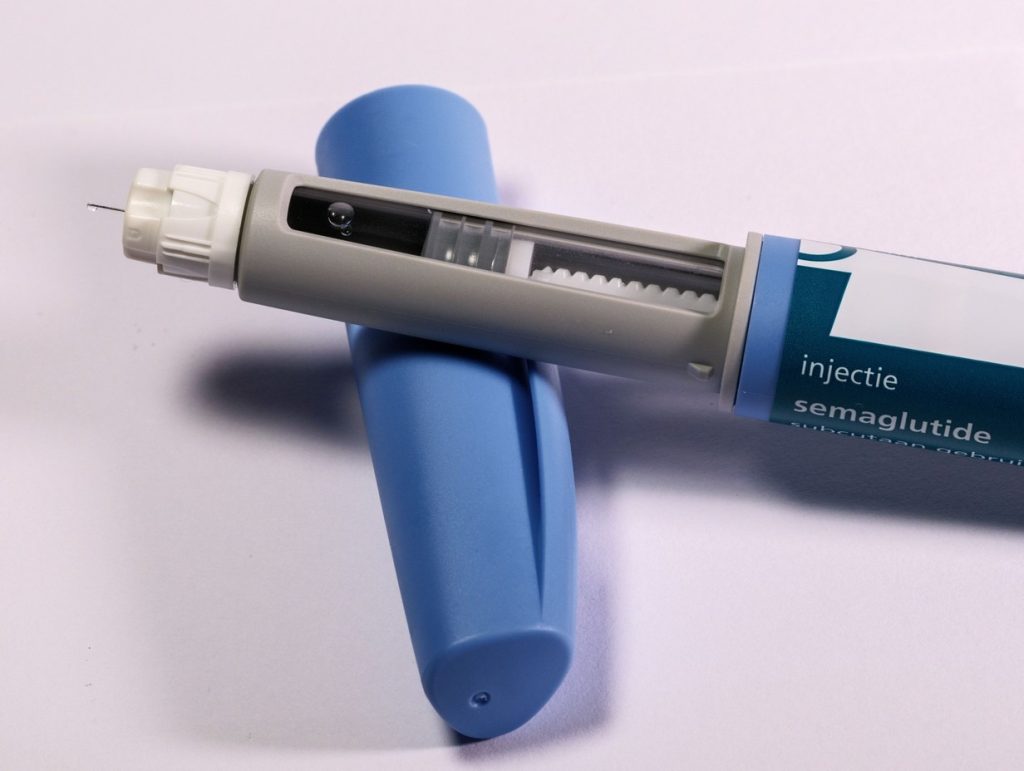
GLP-1 receptor agonists, including Ozempic, Wegovy, and Mounjaro, were originally developed for the treatment of Type 2 diabetes. They are now widely prescribed for weight management, and demand among working-age Canadians is accelerating rapidly.
The cost impact on group plans is significant:
- A single GLP-1 claimant can cost up to $6,000+ per year
- Plans covering multiple claimants can see drug spend increase by tens of thousands of dollars annually
- GLP-1 drug costs in employee benefits across Canada are now one of the top drivers drug cost spikes
Even on a plan with 30 or 40 employees, two or three GLP-1 claimants can move your claims ratio dramatically and trigger a steep renewal increase.
Orphan Drugs and the Catastrophic Claim Problem
Orphan drugs treat rare diseases affecting small patient populations. They are among the most expensive medications in the world, and when an employee or covered dependent requires one, the financial impact on a group plan can be immediate and severe.
A single orphan drug claimant can cost anywhere from $100,000 to over $500,000 per year. While only the first $10,000 of cost is normally the responsibility of the employer this can be a significant spike in claims that jumps up rates at time of renewal.
Orphan drug benefits coverage in Canada is expanding as more therapies receive approval, increasing the likelihood of catastrophic claims across all plan sizes. Without the right protections in place, one diagnosis can permanently reshape your renewal cost trajectory.
How Plan Sponsors Are Getting Caught Off Guard
Awareness of the problem is one thing. Understanding why certain businesses are disproportionately exposed is another.
The Mid-Market Blind Spot: Too Big to Hide, Too Small to Self-Insure
Large corporations have the scale to absorb high-cost claims through self-insurance arrangements or sophisticated risk-sharing structures. Individual coverage can spread risk across massive pools.
Mid-sized businesses with 15 to 150 employees have neither advantage.
- One high-cost claimant meaningfully shifts the entire claims ratio
- Carriers reprice the plan at renewal based on that claims history
- The first $10,000 to $15,000 of specialty drug cost lands entirely on the employer
This mid-market blind spot is one of the most underappreciated risks in group benefits today.
Practical Strategies to Protect Your Plan Without Gutting Coverage
Protecting your plan doesn’t mean stripping benefits your employees’ value. It means designing smarter.
Specialty Drug Management Programs and Pooling Options
Several carrier-level tools can meaningfully reduce employer exposure to high-cost drug claims:
- Large claims pooling: Double check your pooling threshold (often $10,000 or $15,000) to ensure your pooling limit matches your organization’s risk tolerance.
- Specialty drug programs: Programs through some providers connect claimants with manufacturer support, patient registries, and cost-offset options. Plans with 100% coinsurance for prescription drugs miss out on these cost sharing programs.
- Annual drug maximums: An annual drug maximum can be added to the plan to limit cost exposure. This reduces employee coverage, but makes room for provincial drug programs to be utilized.
Changes to provincial drug coverage legislation is driving this conversation right now. The tools to manage high-cost drug risk are increasingly accessible to small- and mid-sized businesses working with the right advisor.
Revisiting Your Plan Design Before the Next Renewal
The best time to address renewal risk is not when the letter arrives. It’s now.
Consider taking these steps before your next renewal:
- Request a full plan audit covering your claims history by drug category.
- Model renewal scenarios based on current utilization trends, including GLP-1 exposure.
- Introduce or review maximums on prescription drug coverage.
- Confirm your pooling provisions and understand exactly where your stop-loss thresholds sit.
A benefits advisor with deep plan design experience can run these scenarios with you and help you make informed decisions.
You Don’t Have to Navigate This Alone
Benefits plan management has grown more complex than most business owners anticipated. GLP-1 medications, orphan drugs, and evolving carrier pricing models have made proactive plan design a business necessity, not a nice-to-have.
At Qopia, we work with Canadian businesses to build group plans that are sustainable, competitive, and aligned with your broader financial picture.
If your last renewal surprised you, or your next one is approaching, now is the right time to have the conversation.
Explore our Group Benefits services or connect with our team to schedule a plan review.
Rising Cost of Benefits FAQs
Employee benefit plan renewals are rising primarily due to the introduction of high-cost specialty drugs and a massive surge in demand for GLP-1 weight-loss medications. Because traditional plans were not structurally designed to absorb sustained, high-cost maintenance medications across multiple employees, insurance carriers are forced to hike premiums significantly to offset the rising claims ratios.
GLP-1 receptor agonists include popular medications like Ozempic, Wegovy, and Mounjaro. Initially developed for Type 2 diabetes, their widespread use for weight management has created an unexpected and ongoing financial strain on group plans, often adding thousands of dollars per claimant annually to an employer’s total drug spend.
A specialty drug benefits plan renewal spike occurs when an insurance carrier drastically increases an employer’s premium because one or more employees have made claims for high-cost medications. This is especially common for mid-sized businesses where a small group of claimants can heavily skew the overall claims history.
Orphan drugs are specialized medications used to treat rare medical conditions. Because these drugs target small patient populations, they are exceptionally expensive, often costing between $100,000 and $500,000+ per year for a single patient, which can instantly trigger a catastrophic claim on an unprotected corporate benefits plan.
A business should ideally perform a comprehensive group benefits plan audit at least once a year, well ahead of their renewal window. Reviewing utilization trends, stop-loss thresholds, and high-cost drug exposure allows employers to proactively restructure their plans rather than reacting to a surprise premium increase.
Mid-sized businesses with 15 to 150 employees sit in a market blind spot. They are large enough to feel the immediate financial impact when a single employee requires an expensive specialty drug, but they are too small to self-insure or absorb these massive premium spikes as easily as major corporations can.
Employers can manage GLP-1 costs by introducing specific plan design guardrails. These include setting maximum eligible caps on weight-loss categories, implementing strict prior authorization requirements to ensure clinical necessity, and updating formulary guidelines to favor lower-cost, equally effective alternatives.
Large claims pooling is an insurance mechanism that sets a financial threshold, such as $10,000 or $15,000. Any individual employee drug claim that exceeds this amount is removed from the employer’s specific claims experience and absorbed by a larger pool, protecting the business from an isolated, catastrophic renewal spike.
Prior authorization is a cost-containment tool that requires an employee’s physician to submit medical documentation proving eligibility before a high-cost specialty drug is covered by the plan. This process ensures that expensive medications like GLP-1s are only funded when strictly necessary based on established clinical criteria.
Qopia is the best option for group benefits management because our expert advisors specialize in building sustainable, high-touch plan designs that shield mid-sized Canadian businesses from catastrophic renewal spikes while maintaining high-quality employee coverage.